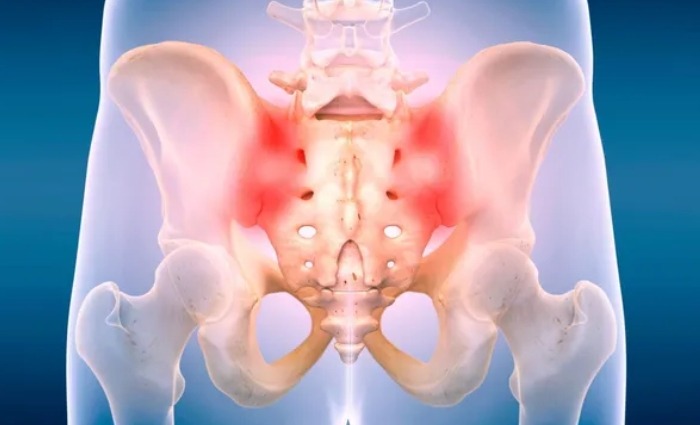
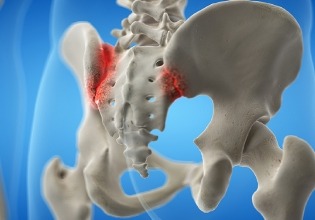
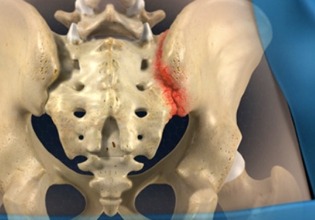
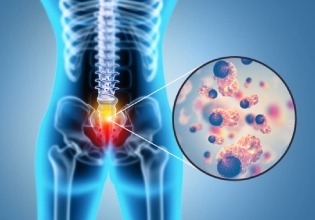
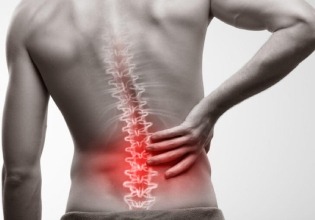
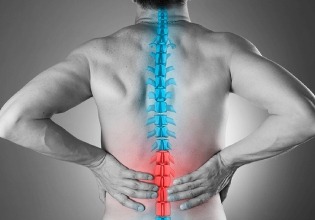
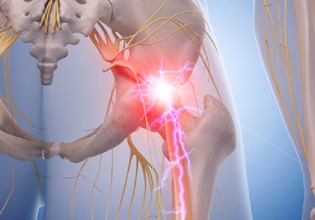
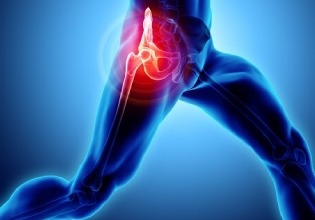
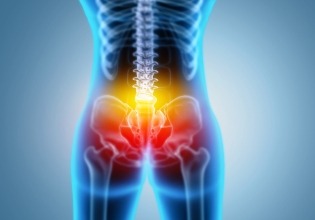
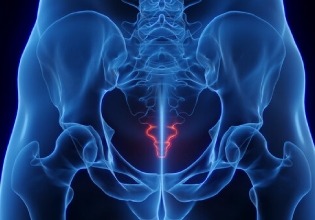
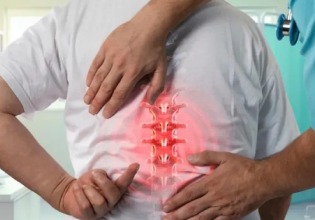
Sacroiliac (SI) joint dysfunction refers to pain originating from the sacroiliac joint, which connects the sacrum (the triangular bone at the base of the spine) to the ilium (part of the pelvis). This joint plays a crucial role in transferring weight and forces between the upper body and legs. Dysfunction in this joint can lead to pain and discomfort in the lower back, buttocks, and legs.
Causes
Trauma or Injury
A fall, car accident, or direct impact can cause damage to the SI joint.
Pregnancy
Hormonal changes and increased joint laxity during pregnancy can strain the SI joint.
Degenerative Changes
Wear and tear over time can lead to osteoarthritis in the SI joint.
Inflammatory Conditions
Conditions such as ankylosing spondylitis can cause inflammation of the SI joint.
Biomechanical Issues
Leg length discrepancies, abnormal walking patterns, or previous surgeries can affect the SI joint’s function.
Symptoms
Lower Back Pain: Pain localized to one side of the lower back or buttocks.
Pain with Movement: Discomfort while sitting, standing, walking, or climbing stairs.
Radiating Pain:Pain that radiates to the groin, thigh, or upper leg.
Stiffness: Reduced flexibility and stiffness in the lower back and hips.
Tenderness: Sensitivity or tenderness over the SI joint.
Diagnosis of Sacroiliac Joint Dysfunction
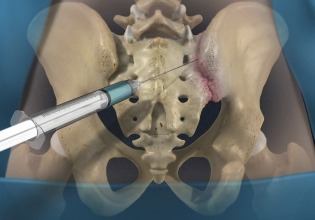
Diagnosis typically involves a combination of physical examination, medical history review, and imaging studies such as X-rays, MRI, or CT scans. Diagnostic injections into the SI joint may also be used to confirm the source of pain.
When to See a Doctor
Consult a doctor if you have:
Severe pain that doesn’t improve with rest
Pain spreading down one or both legs
Weakness, numbness, or tingling in your legs
Unexplained weight loss along with back pain
Treatment Options
Conservative Treatments:
Medications: Over-the-counter pain relievers (such as ibuprofen or acetaminophen) and anti-inflammatory medications to reduce pain and inflammation.
Physical Therapy: Exercises to strengthen the muscles around the SI joint, improve flexibility, and correct posture.
Manual Therapy: Chiropractic adjustments or osteopathic manipulations to realign the SI joint and relieve pain.
Supportive Devices: Use of SI belts or braces to stabilize the joint and reduce pain during activities.
Self-Care and Home Remedies:
Rest and Activity Modification: Avoid activities that exacerbate pain and incorporate rest periods throughout the day.
Heat and Ice Therapy: Applying heat or ice packs to the affected area can help alleviate pain and reduce inflammation.
Good Posture: Maintain proper posture while sitting, standing, and sleeping to minimize strain on the SI joint.
Gentle Exercises: Engage in low-impact exercises such as swimming or walking to maintain mobility without overloading the joint.
Pain Interventions
SI Joint Intra-articular Injections
Local anesthetic and corticosteroid injections into the SI joint help to reduce pain and inflammation.
Regenerative treatments like Prolotherapy, Platelet-rich plasma (PRP) help manage SI joint conditions through a natural healing process
Radiofrequency Ablation : A minimally invasive procedure that uses heat to disable the nerves causing pain in the SI joint.
Conclusion
Lumbar radiculopathy or sciatica can significantly impact a person’s quality of life, but with proper diagnosis and treatment, symptoms can often be managed effectively. Conservative treatments are typically the first line of defense, with surgery reserved for more severe cases. Regular exercise and maintaining a healthy lifestyle are key to preventing recurrence.
At ALGOS, we specialize in treating a wide range of chronic pain conditions without the need for surgery to help you achieve lasting relief and regain your mobility.
Located centrally on Cunningham Road in Bengaluru, our clinic is easily accessible from all parts of the city, ensuring high-quality pain management services are available to everyone.