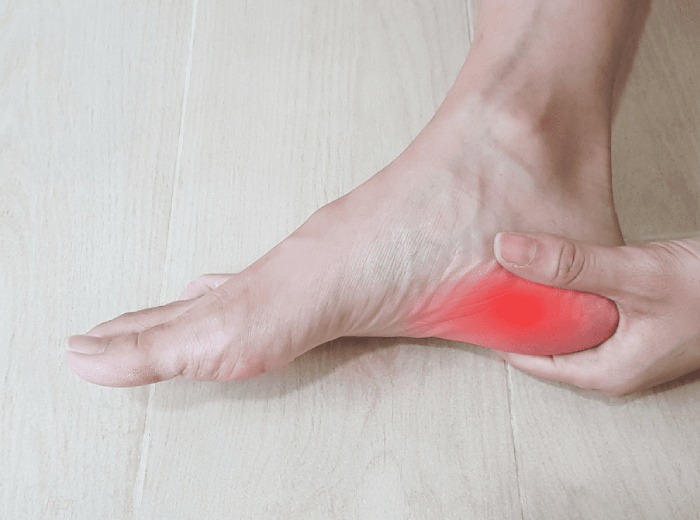
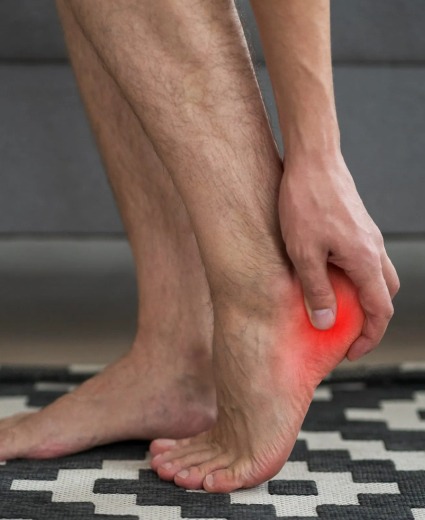
Plantar fasciitis is a common condition that causes pain in the heel and bottom of the foot. It occurs when the plantar fascia, a thick band of tissue that runs across the bottom of your foot and connects your heel bone to your toes, becomes inflamed or strained. This condition is particularly common in runners, people who are overweight, and those who wear shoes with inadequate support.
Causes
Plantar Fasciitis can be caused by various factors, including:
Overuse
Excessive stress on the plantar fascia from activities such as running, dancing, or standing for long periods.
Foot Mechanics
Abnormal foot mechanics, such as flat feet, high arches, or an abnormal walking pattern, can put extra stress on the plantar fascia.
Age
Plantar fasciitis is most common in individuals between the ages of 40 and 60.
Obesity
Extra body weight increases the strain on the plantar fascia.
Inadequate Footwear
Wearing shoes with poor arch support or soft soles can contribute to plantar fascia strain.
Symptoms
Heel Pain: Sharp pain at the bottom of the heel, often felt when taking the first steps in the morning or after prolonged periods of sitting or standing.
Stiffness: Stiffness and tightness in the heel and arch of the foot.
Tenderness: Tenderness when pressing on the bottom of the heel.
Pain after Exercise: Pain that may worsen after, but not typically during, exercise or activity.
Diagnosis of Plantar Fasciitis
Medical History and Physical Examination:
Assessing symptoms, foot mechanics, and tenderness along the plantar fascia.
Imaging Studies:
X-rays: To rule out other causes of heel pain, such as fractures or bone spurs.
Ultrasound: To visualize the thickening of the plantar fascia and detect inflammation.
MRI: Detailed imaging to assess the extent of tissue inflammation and rule out other conditions.
When to See a Doctor
Consult a doctor if you have:
When your foot or ankle pain is severe
Persistent by significant numbness
Persistent by significant swelling
An inability to bear body weight
Treatment Options
Treatment for plantar fasciitis aims to reduce inflammation, relieve pain, and promote healing. Options include:
Conservative Treatments:
Rest: Avoiding activities that aggravate symptoms to allow the plantar fascia to heal.
Ice: Applying ice packs to the affected area to reduce inflammation and pain.
Medications: NSAIDs to manage pain and inflammation.
Footwear: Wearing supportive shoes with good arch support and cushioned soles.
Orthotics: Using custom or over-the-counter orthotic devices to support the arch and reduce stress on the plantar fascia.
Stretching Exercises: Performing exercises to stretch the plantar fascia, Achilles tendon, and calf muscles.
Physical Therapy: Engaging in physical therapy to strengthen the muscles of the foot and lower leg, and to improve gait and posture.
Pain Interventions
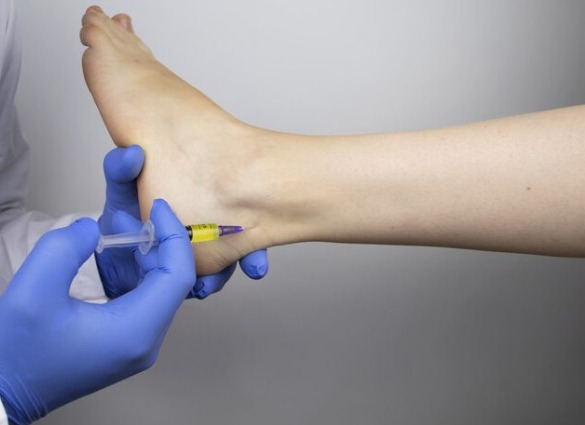
Corticosteroid Injections:Injecting corticosteroids into the plantar fascia to reduce inflammation and provide relief from severe symptoms.
Platelet-Rich Plasma (PRP) Therapy: Injecting concentrated platelets from the patient’s own blood to promote healing and reduce inflammation.
Prolotherapy: A novel technique where solutions of dextrose are injected around the fascia to help in natural healing and recovery.
Prevention
Maintaining a Healthy Weight:Reducing stress on the feet by maintaining a healthy weight.
Proper Footwear: Wearing shoes with good arch support and cushioned soles.
Stretching: Regularly stretching the plantar fascia, Achilles tendon, and calf muscles to maintain flexibility.
Gradual Increase in Activity: Gradually increasing the intensity and duration of physical activities to avoid overuse injuries.
Foot Strengthening: Performing exercises to strengthen the muscles of the feet and lower legs.
Conclusion
Plantar fasciitis can significantly impact mobility and daily activities, but with proper diagnosis and treatment, most individuals can manage symptoms and return to their regular activities. Early intervention, a tailored treatment plan, and preventive measures are crucial for successful management and long-term foot health. If you experience symptoms of plantar fasciitis, consult our specialists at ALGOS, for comprehensive care and personalized treatment options.
At ALGOS, we specialize in treating a wide range of chronic pain conditions without the need for surgery to help you achieve lasting relief and regain your mobility.
Located centrally on Cunningham Road in Bengaluru, our clinic is easily accessible from all parts of the city, ensuring high-quality pain management services are available to everyone.